Understanding the Home Appraisal Process: What to Expect
NR
Understanding the Home Appraisal Process
Buying or selling a home is a significant financial decision, and understanding the home appraisal process is crucial. An appraisal determines a property's market value, ensuring that the price reflects its true worth. Whether you're a buyer, seller, or refinancing your mortgage, knowing what to expect can make the process smoother.
What is a Home Appraisal?
A home appraisal is an unbiased estimate of the market value of a property, conducted by a licensed appraiser. This assessment helps lenders determine how much money they can lend to a buyer. It also protects the buyer by ensuring they are not overpaying for a property.
The appraiser considers various factors, including the property's size, location, condition, and recent sales of comparable homes in the area. The goal is to provide an accurate valuation that reflects the home's worth in the current market.
How to Prepare for an Appraisal
Preparing for an appraisal can help ensure a favorable outcome. Here are a few steps you can take:
- Clean and declutter: A well-maintained home makes a positive impression.
- Make necessary repairs: Fix any visible issues like leaky faucets or broken windows.
- Document improvements: Provide a list of upgrades and improvements you've made to the property.

During the Appraisal
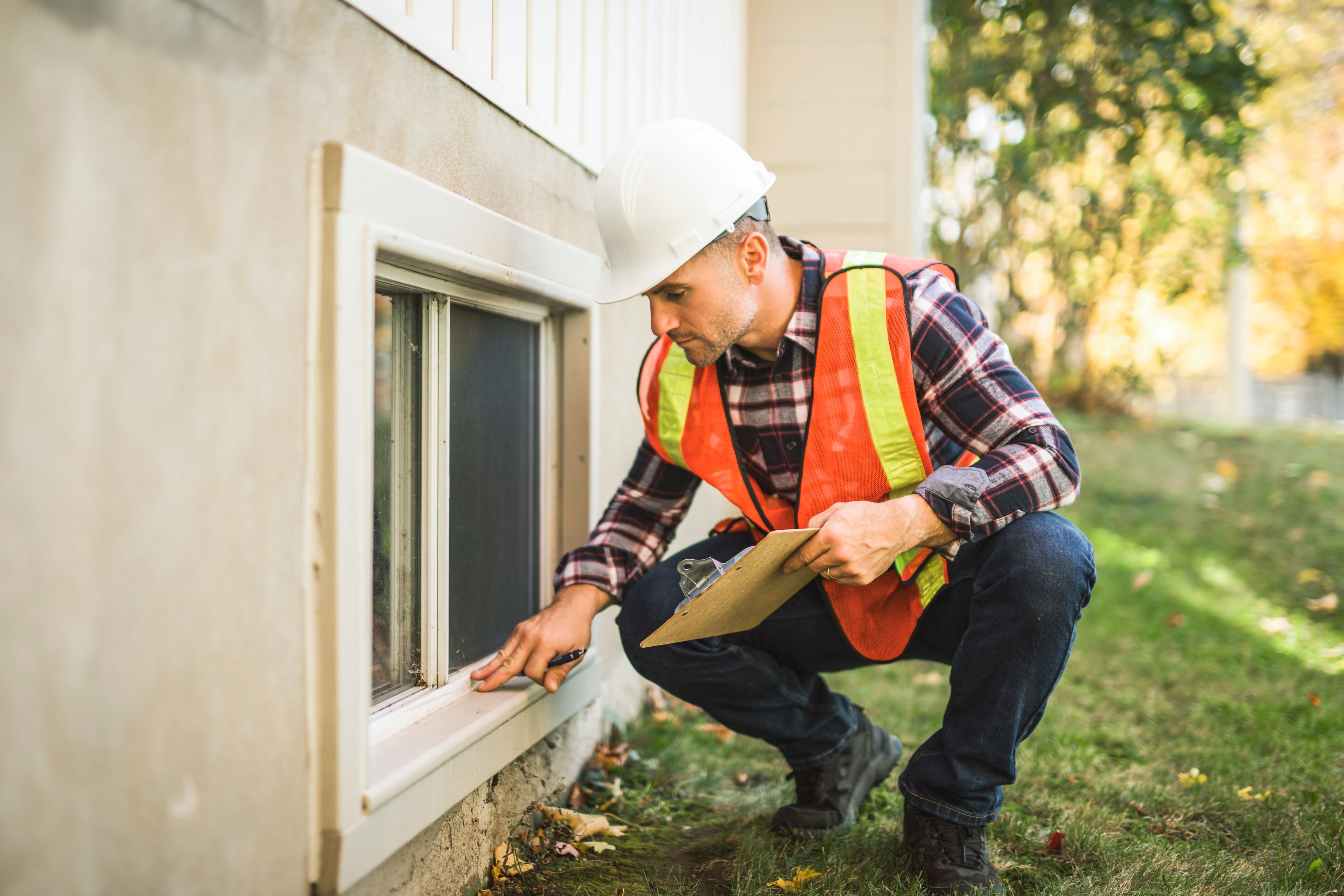
The appraiser will conduct a thorough inspection of the property, both inside and out. They will take measurements, photographs, and notes about the property's features. The appraiser will also assess the neighborhood to understand the local market conditions and recent sales.
It's essential to provide access to all areas of your home and be available to answer any questions the appraiser might have. Transparency and cooperation can lead to a more accurate assessment.
After the Appraisal
Once the appraisal is complete, the appraiser will compile a report detailing their findings and the property's estimated value. This report is then sent to the lender, who will use it to make decisions about the loan.

If the appraisal comes in lower than expected, it can affect the loan amount the buyer can secure. In such cases, negotiating with the seller or seeking a second appraisal might be necessary. A higher appraisal, on the other hand, can be advantageous for the seller, justifying the asking price.
Conclusion
Understanding the home appraisal process is essential for anyone involved in buying, selling, or refinancing a home. By knowing what to expect and how to prepare, you can ensure a smoother experience and make informed decisions. Remember, a well-prepared home and transparent communication with the appraiser can significantly impact the final valuation.