Renting vs. Buying: Making the Best Decision for Your Lifestyle
NR
Introduction
Deciding whether to rent or buy a home is a significant financial and lifestyle choice. Both options have their advantages and disadvantages, and the right choice depends on your personal circumstances and long-term goals. To help you make an informed decision, we've broken down the key factors to consider.

Financial Considerations
Upfront Costs
One of the main differences between renting and buying is the upfront cost. Renting typically requires a security deposit and the first month's rent, whereas buying a home involves a down payment, closing costs, and other fees. The down payment alone can be a substantial amount, often ranging from 3% to 20% of the home's purchase price.
Monthly Expenses
When renting, your monthly expenses are generally limited to rent, utilities, and renter's insurance. Homeowners, however, must budget for mortgage payments, property taxes, homeowner's insurance, and maintenance costs. These additional expenses can add up quickly, so it's essential to consider your budget.

Lifestyle and Flexibility
Mobility
If you value flexibility and the ability to move easily, renting might be the better option. Leases typically last for a year, allowing you to relocate without the complexities of selling a property. On the other hand, buying ties you to a specific location, making it harder to move on short notice.
Customization
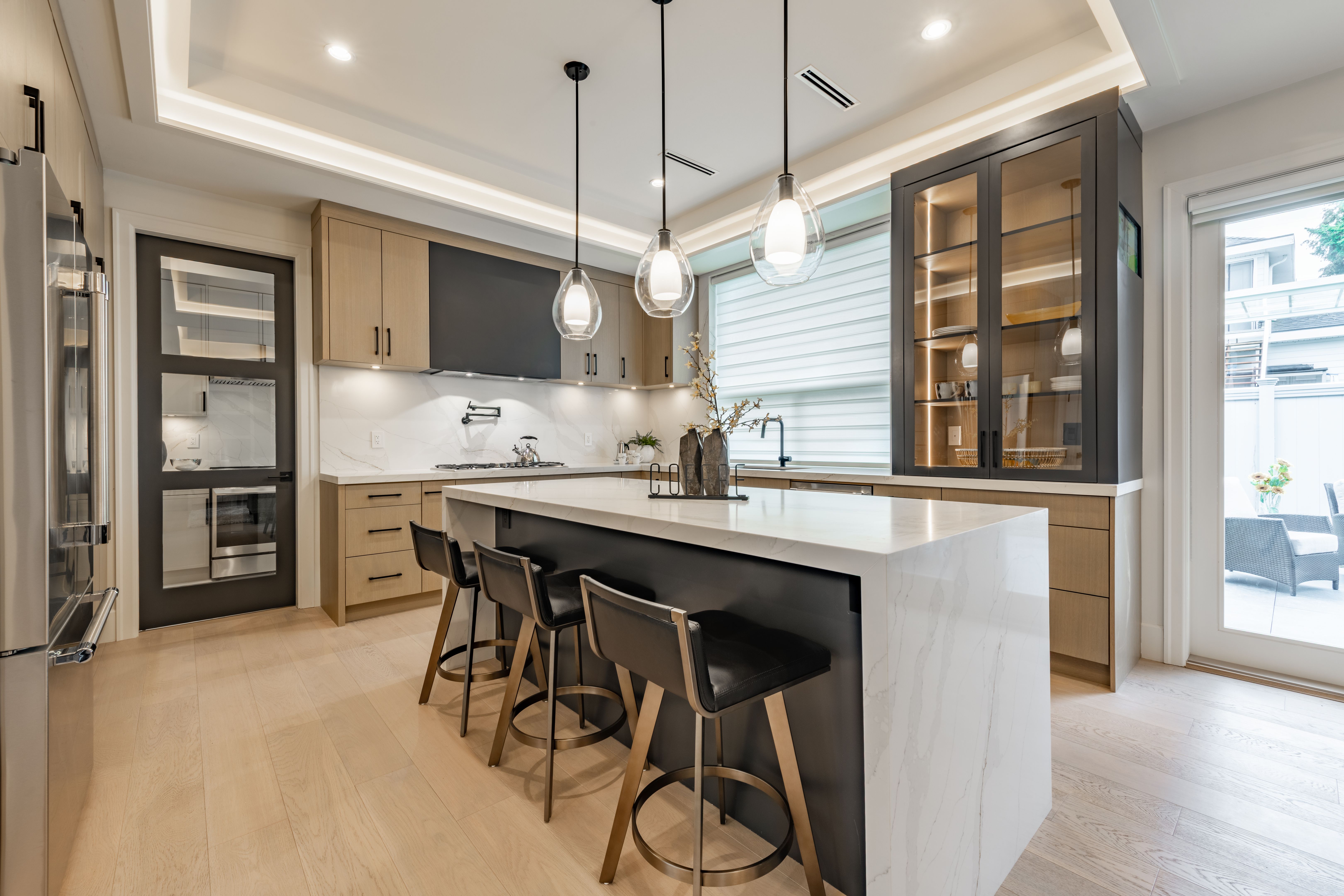
Homeownership offers the freedom to modify your living space to suit your tastes and needs. Whether it's painting walls or renovating the kitchen, owning a home means you can make changes without seeking approval. Renters often face restrictions on what they can alter in their living space.
Long-Term Investment
Buying a home can be a sound long-term investment, as property values may increase over time, building equity. For those who plan to stay in one place for several years, owning a home could lead to financial gains. However, it's important to remember that real estate markets can fluctuate, and there's no guarantee of profit.
Renting, conversely, does not offer the same investment potential but allows you to avoid the risks associated with property value declines. Renting can be a practical choice for those who prefer to invest their money elsewhere, such as stocks or retirement accounts.
Conclusion
Ultimately, the decision between renting and buying depends on your financial situation, lifestyle preferences, and long-term goals. Assess your budget, desired level of mobility, and investment strategy to determine which option aligns best with your needs. By carefully considering these factors, you can make a choice that supports both your current lifestyle and future aspirations.