Expert Tips for First-Time Landlords
NR
Understanding Your Responsibilities
Becoming a landlord for the first time can be both exciting and daunting. As a landlord, you are not only providing a place for someone to live but also managing a business. It's crucial to understand your responsibilities, which include maintaining the property, ensuring tenant safety, and adhering to local laws. Being well-informed will help you avoid potential pitfalls and create a positive experience for both you and your tenants.
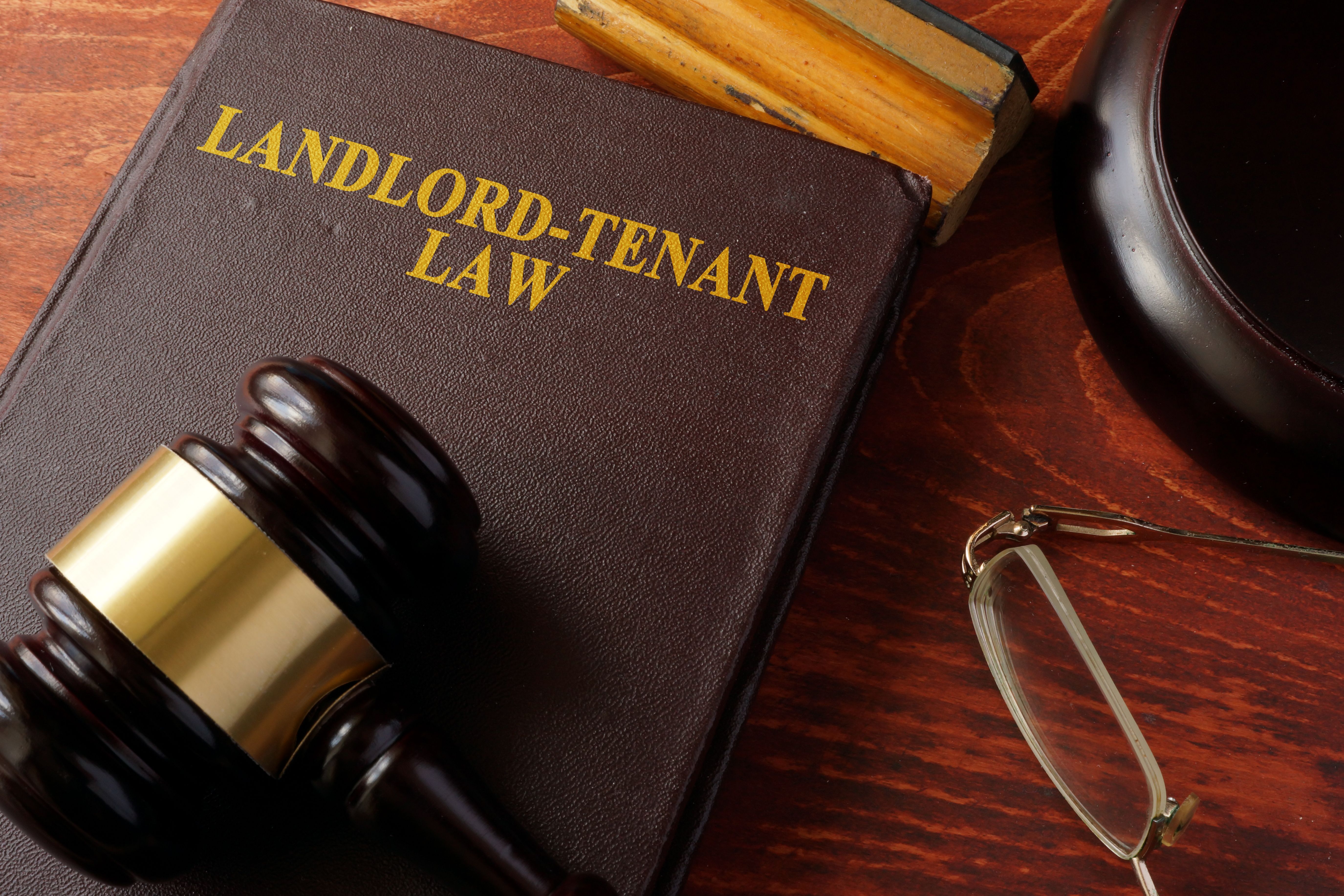
Stay updated with the latest landlord-tenant laws in your area. These regulations can vary significantly depending on your location, so it's important to do your research and, if necessary, consult with a legal professional. A strong grasp of the legal landscape will help you navigate issues related to leases, evictions, and tenant rights.
Setting the Right Rent
Determining the appropriate rental price is a critical step in attracting and retaining tenants. Conduct a thorough analysis of the local rental market by comparing similar properties in your area. Consider factors such as location, amenities, and property condition. Pricing your property competitively will maximize your occupancy rate and ensure a steady income stream.
Additionally, think about the costs associated with property management, maintenance, and potential vacancies. These considerations will help you establish a rental price that covers your expenses while remaining attractive to prospective tenants.

Finding the Right Tenants
One of the most important aspects of being a landlord is finding responsible tenants who will take care of your property. Start by creating a detailed rental application that includes background checks, credit history, and references. This process will help you evaluate potential tenants and reduce the risk of problematic situations.
Consider conducting interviews with potential tenants to assess their suitability. Asking the right questions and listening carefully can provide valuable insights into their reliability and compatibility with your property.

Creating a Solid Lease Agreement
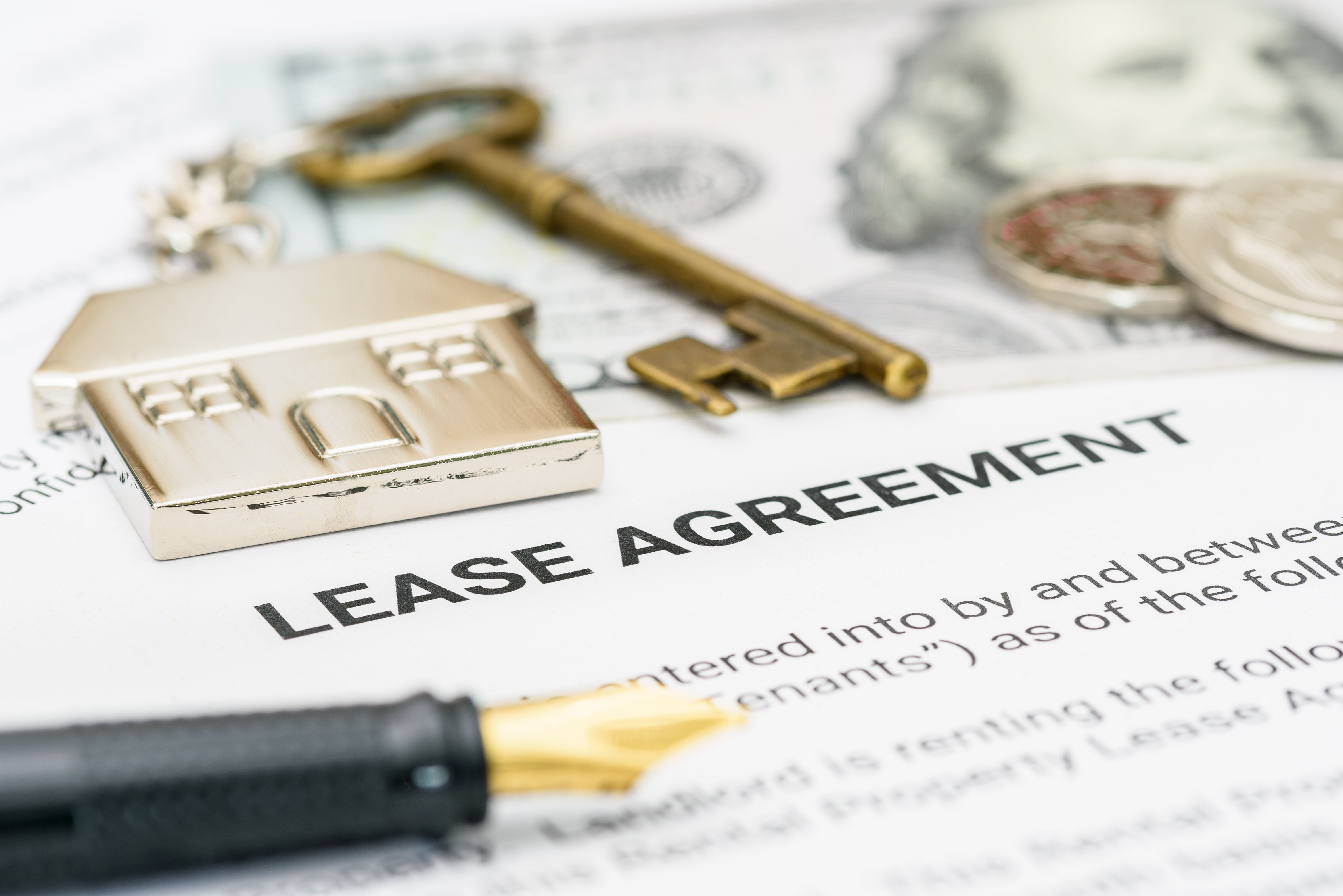
A well-crafted lease agreement is essential for setting clear expectations and protecting your interests as a landlord. Your lease should outline terms and conditions, such as rent amount, payment schedule, and rules regarding property use. Be sure to include clauses that address potential issues like late payments, property damage, and lease termination.
Consulting with a legal expert when drafting your lease can prevent misunderstandings and ensure that all necessary provisions are included. A comprehensive lease agreement is a valuable tool for managing your rental property effectively.
Maintaining Open Communication
Establishing and maintaining open communication with your tenants is crucial for a successful landlord-tenant relationship. Encourage tenants to report maintenance issues promptly, and be responsive to their concerns. Regularly check in with tenants to foster a positive relationship and address any potential issues before they escalate.
Consider creating a communication plan that specifies preferred contact methods and response times. This proactive approach will demonstrate your commitment to providing a quality living experience and help build trust with your tenants.