A Comprehensive Guide to Buying Your First Home
NR
Understanding Your Budget
Before diving into the home-buying process, it's crucial to understand your budget. Assess your financial situation by reviewing your income, expenses, and savings. Consider using a mortgage calculator to determine how much you can afford. This step will help you set realistic expectations and avoid any financial strain.

Choosing the Right Location
Location is one of the most critical factors when buying a home. Consider the proximity to work, schools, public transport, and other amenities. Evaluate the neighborhood's safety, future development plans, and community vibe. A well-chosen location can significantly impact your quality of life and property value.
Determining Your Needs and Wants
Make a list of your must-haves and nice-to-haves. Must-haves are non-negotiable features, such as the number of bedrooms or proximity to work, while nice-to-haves are features you can compromise on, like a swimming pool or a large backyard. This list will guide your search and help you stay focused on what truly matters.

Getting Pre-Approved for a Mortgage
Before you start house hunting, it's wise to get pre-approved for a mortgage. This process involves a lender evaluating your financial health to determine how much they are willing to lend you. A pre-approval letter not only strengthens your offer but also provides a clear picture of your budget.
Working with a Real Estate Agent
Partnering with a knowledgeable real estate agent can make the home-buying process smoother. Agents have access to listings, market insights, and negotiation skills that can be invaluable. Choose an agent who understands your needs and has a good track record in your desired area.

Making an Offer
Once you find a home you love, it's time to make an offer. Your real estate agent will guide you through this process, helping you decide on a fair price based on market conditions and comparable properties. Be prepared for negotiations, as sellers may counter your initial offer.
Conducting an Inspection
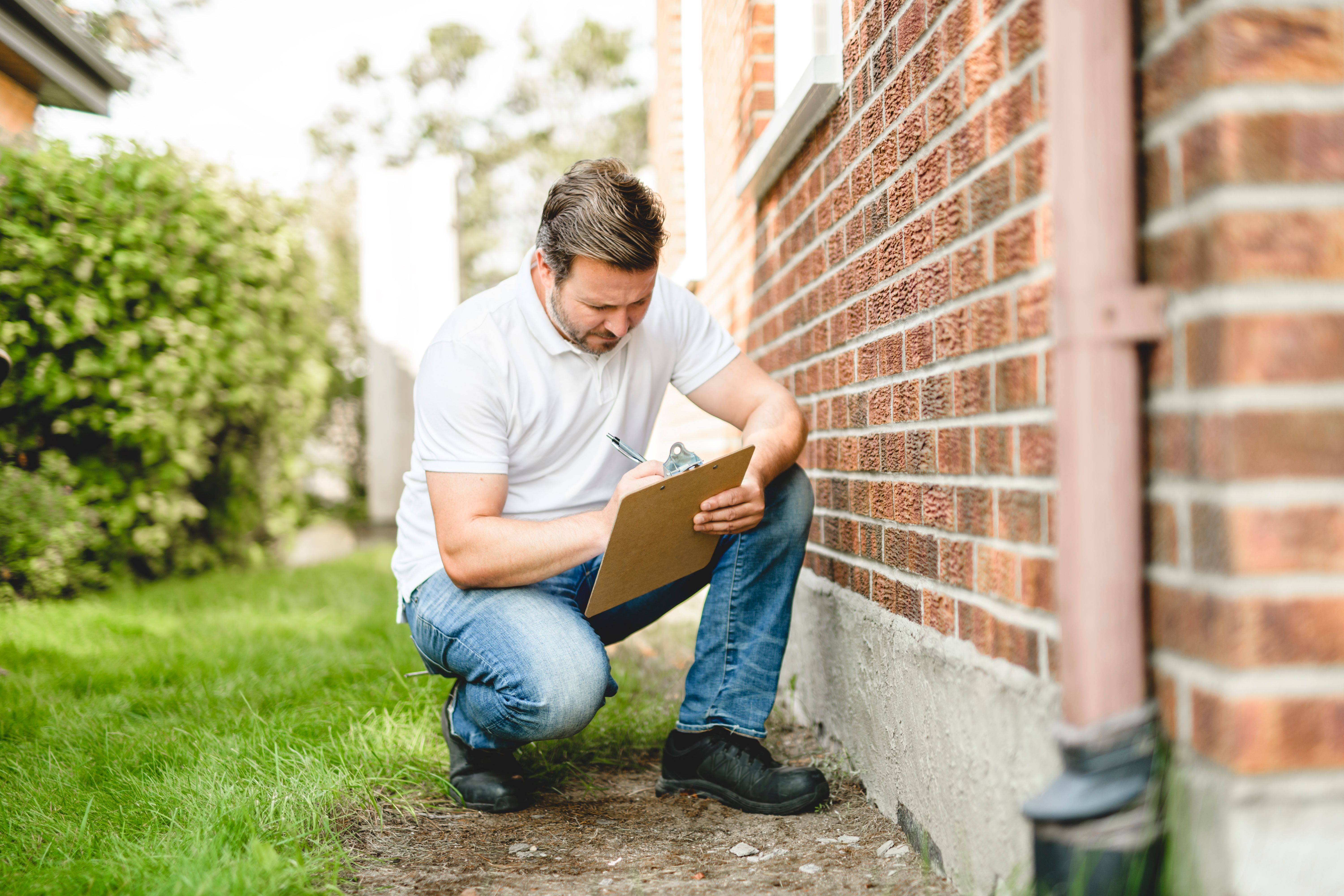
A home inspection is a crucial step in the buying process. It uncovers potential issues with the property, from structural problems to needed repairs. Use the inspection report to negotiate repairs or price adjustments with the seller. This step ensures you are making a sound investment.
Closing the Deal
Once you've settled on a price and completed inspections, it's time to close the deal. This involves signing the necessary paperwork and transferring funds. Ensure you understand all the documents you’re signing, and don’t hesitate to ask your agent or lawyer for clarification if needed.
Moving into Your New Home
Congratulations, you’re now a homeowner! The final step is moving in. Plan your move carefully, considering the logistics of packing, hiring movers, and setting up utilities. Once settled, take the time to explore your new neighborhood and make your house feel like home.